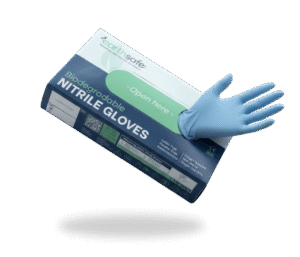

Price objections are common when biodegradable PPE is introduced into a sales discussion. Resellers often face buyers who prioritize unit cost over long-term value. This reaction is expected. Disposable PPE has historically been treated as a low-involvement purchase. The sales team’s role is to reframe that perception without pressure or exaggeration.
Handling objections starts with preparation. Sales teams must understand why biodegradable PPE costs more and how that price connects to environmental, social, and governance expectations. Without this grounding, discussions risk stalling at surface-level comparisons.
Understanding the Nature of the Objection
Most price objections are not refusals. They reflect uncertainty. Buyers may be unsure whether sustainability claims justify the added expense or whether end users will notice any difference. Some worry that higher costs will reduce margins or limit demand.
Sales teams should treat these concerns as practical questions, not resistance. Clear explanations work better than defensive responses. A calm tone helps shift the discussion from price to purpose.
Reframing Cost as ESG Alignment
Biodegradable PPE is not purchased in isolation. Many organisations now operate under ESG frameworks that shape procurement decisions. These frameworks influence audits, reporting, and investor communication. PPE that supports landfill reduction fits into these structures.
Resellers can position biodegradable gloves as part of a wider compliance effort. Instead of focusing on the product alone, the conversation moves to how it supports documented sustainability goals. This framing speaks to risk management and accountability rather than ethics alone.
When buyers are already reporting on waste or emissions, the added cost becomes easier to justify. It is seen as a contribution to existing targets rather than an optional upgrade.
Brand Value as a Commercial Asset
Brand perception carries financial weight. Companies are increasingly judged by how they manage environmental impact, even in routine operations. PPE may seem minor, but its visibility matters. Gloves are worn by staff, visitors, and contractors. They are part of daily operations.
Sales teams can point out that biodegradable PPE supports a consistent brand message. It shows that sustainability claims are applied across the organisation, not limited to marketing materials. This consistency helps protect reputation and build trust.
For resellers, the message should remain practical. Brand value affects client retention, partner confidence, and public credibility. These outcomes have commercial relevance.
Moving Beyond Unit Price Comparisons
Buyers often compare biodegradable PPE with standard nitrile on a per-box basis. This comparison misses broader factors. Sales teams can redirect attention to usage patterns, disposal costs, and reporting requirements.
Some organisations already pay for waste handling services. Products that break down faster in landfill environments can support waste reduction narratives. While disposal fees may not change immediately, reporting outcomes can.
Sales discussions should avoid claiming savings that cannot be measured. Instead, they should focus on added value that supports internal and external reporting obligations.
Supporting the Sales Conversation with Evidence
Claims must be supported by clear data. Sales teams should be familiar with degradation timelines, certification standards, and third-party testing. This knowledge builds confidence and reduces friction.
Buyers may ask how biodegradable PPE performs compared to standard options. Sales responses should be factual. Performance parity matters. Sustainability does not excuse lower protection or comfort.
Providing documentation helps buyers justify decisions internally. Procurement teams often need to explain purchases to finance or compliance departments. Clear materials reduce back-and-forth.
Addressing Margin Concerns for Resellers
Resellers may worry that higher-priced products are harder to sell. This concern is valid. However, biodegradable PPE can support stronger positioning. It allows resellers to move away from price-only competition.
Selling on sustainability and compliance opens different conversations. It attracts buyers who value long-term partnerships over short-term discounts. These buyers are often less sensitive to small price differences.
Sales teams should be trained to identify such prospects early. Not every account will convert. That is acceptable. Focus should remain on those aligned with ESG-driven procurement.
Training Sales Teams to Speak with Confidence
Confidence comes from clarity. Sales teams need structured talking points that explain why biodegradable PPE exists and who it suits. Scripts should be avoided. Conversations must feel natural but informed.
Training should include objection-handling scenarios. Common questions about cost, disposal, and performance should be addressed directly. Avoiding the topic of price weakens credibility.
Sales leaders should encourage honesty. If biodegradable PPE costs more, say so. Then explain why. Transparency builds trust.
Aligning with Customer Priorities
Different buyers have different drivers. Some focus on compliance. Others focus on reputation. Some respond to employee expectations. Sales teams should listen before responding.
Asking simple questions helps. What sustainability targets does the organisation report on? Are there internal waste reduction goals? Is ESG part of supplier evaluation?
These questions guide the discussion. They allow sales teams to connect product value to stated priorities rather than assumptions.
Long-Term Positioning Over Short-Term Wins
Biodegradable PPE supports a shift in how PPE is perceived. It moves from a commodity to a responsible supply choice. This shift takes time.
Resellers should avoid pushing for immediate volume. Pilot programs and phased adoption work better. They allow buyers to assess impact without full commitment.
Over time, these relationships tend to strengthen. Buyers who adopt sustainable PPE often expand usage once reporting cycles reflect the benefits.
Maintaining a Practical Tone
Sales conversations should remain grounded. Avoid emotional appeals or exaggerated claims. Buyers respond better to measured explanations.
Biodegradable PPE is not a complete solution to waste challenges. It is one tool among many. Presenting it as such maintains credibility.
When handled correctly, price objections become entry points for deeper discussion. They open space to talk about ESG alignment, brand responsibility, and procurement strategy.
Handling price objections for biodegradable PPE requires patience and preparation. Sales teams must understand both the product and the broader context in which it is purchased. By focusing on ESG requirements and brand value, resellers can shift discussions away from narrow cost comparisons.
This approach does not eliminate objections. It reframes them. Buyers are given reasons that extend beyond price, supported by evidence and aligned with their operational goals.
Over time, this method supports stronger partnerships and more resilient sales outcomes.
Upgrade your operation confidently! Our FDA-compliant biodegradable nitrile gloves deliver the protection and assurance you need to meet the highest food safety standards, all while providing a simple, positive step toward sustainability. Contact our sales team immediately for verified product certifications and bulk pricing: Call +44 7482 212945 or visit our contact page.