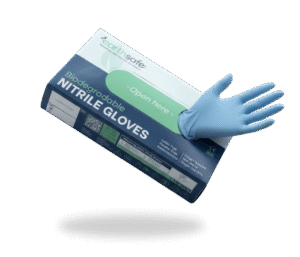

Nitrile gloves are widely used across healthcare, manufacturing, food handling, and maintenance work. They may appear similar at first glance, yet not all nitrile gloves serve the same purpose. The distinction between medical and industrial grades affects safety, compliance, and performance. Buyers who understand these differences make better purchasing decisions and avoid paying for features they do not need.
This guide explains how glove grades differ, with a focus on thickness, sterility, and AQL scores. The aim is practical clarity rather than marketing claims.
What “Glove Grade” Means
Glove grade refers to the standard a glove is manufactured and tested. Medical-grade gloves are regulated for patient care and clinical use. Industrial-grade gloves are intended for general tasks where medical certification is not required.
Both can be made from nitrile. Both can offer chemical resistance and puncture strength. The grade determines how strictly the glove is tested and documented before it reaches the user.
Medical Grade Nitrile Gloves
Medical nitrile gloves are produced under regulated quality systems. They must meet FDA, UKCA, or CE medical device requirements, depending on the market. These gloves are approved for direct contact with patients and bodily fluids.
Each batch is tested for barrier integrity. Documentation, traceability, and consistency matter here. Hospitals, clinics, dental practices, and laboratories rely on these controls to maintain hygiene standards.
Medical gloves are also commonly used in food production environments where audits demand medical-level assurance.
Industrial Grade Nitrile Gloves
Industrial-grade nitrile gloves serve a different purpose. They are designed for protection during cleaning, manufacturing, automotive work, or chemical handling. These gloves focus on durability rather than clinical compliance.
They are not approved for medical procedures. Testing standards are lighter, which lowers cost. For many workplaces, this is sufficient. Tasks like equipment maintenance or surface cleaning do not require medical certification.
Understanding this distinction helps buyers avoid unnecessary expense or regulatory gaps.
Thickness and Its Practical Impact
Thickness affects both protection and dexterity. Medical gloves are often thinner, typically ranging from 3 to 5 mil. This allows tactile sensitivity during examinations and delicate handling.
Industrial gloves are commonly thicker, ranging from 5 to 8 mil or more. Extra material provides added resistance to oils, solvents, and abrasion. The trade-off is reduced sensitivity.
Thicker does not mean better in every case. A food handler weighing ingredients benefits from flexibility. A mechanic handling solvents benefits from extra thickness. Matching thickness to task improves comfort and reduces waste.
Sterility Explained
Sterility is often misunderstood. Most medical examination gloves are non-sterile. They are clean, controlled, and safe for examinations, but not sterile.
Sterile nitrile gloves are used in surgical or controlled clinical environments. They undergo additional processing and are packaged to prevent contamination. This adds cost and is only needed for specific procedures.
Industrial gloves are always non-sterile. For general work, sterility offers no added value. Buyers should not assume sterile equals safer for non-clinical tasks.
Understanding AQL Scores
AQL stands for Acceptable Quality Level. It measures the likelihood of pinholes or defects in a batch of gloves. Lower AQL means fewer defects.
Medical nitrile gloves usually have an AQL of 1.5 or lower. This means strict inspection and higher consistency. Some surgical gloves reach 0.65.
Industrial gloves may have AQL levels of 2.5 or higher. This is acceptable for non-medical use, where minor defects pose little risk.
AQL is one of the clearest technical differences between glove grades. Buyers working in regulated environments should always confirm this figure.
Compliance and Documentation
Medical gloves come with certification, lot numbers, and test reports. These support audits and inspections. Traceability is part of the product value.
Industrial gloves may still meet food contact or chemical resistance standards, but documentation is limited. This is not a flaw. It reflects intended use.
Choosing the wrong grade can cause problems during audits. Over-specifying raises costs without benefit. Under-specifying introduces compliance risks.
Cost and Value Considerations
Medical-grade gloves cost more due to testing, certification, and quality controls. The added cost makes sense where patient safety or inspection standards apply.
Industrial gloves offer strong value for routine tasks. They reduce spending while still protecting hands effectively.
Buyers should assess where gloves are used, not where they are stored. A mixed approach often works best, with different grades for different roles.
Making the Right Choice
Choosing the right glove depends on use, regulation, and risk level. Medical-grade suits healthcare, food production, and laboratory settings. Industrial-grade suits maintenance, cleaning, and manufacturing.
Thickness should match task demands. Sterility should only be selected when required. AQL should align with compliance needs.
Clear evaluation prevents confusion and supports safe, efficient operations.
Understanding glove grades eliminates guesswork from the purchasing process. Medical and industrial nitrile gloves serve distinct roles. Each has strengths when used correctly.
By reviewing thickness, sterility, and AQL scores, buyers can select gloves that fit their work environment without incurring excess cost or compromising quality.
Upgrade your operation confidently! Our FDA-compliant biodegradable nitrile gloves deliver the protection and assurance you need to meet the highest food safety standards, all while providing a simple, positive step toward sustainability. Contact our sales team immediately for verified product certifications and bulk pricing: Call +44 7482 212945 or visit our contact page.