Biodegradable nitrile gloves have gained attention as industries look for dependable protection with lower environmental impact. One common question follows quickly: if a glove is engineered to break down faster in landfill settings, does that shift its performance during daily use? Water resistance often becomes the test people use to judge whether biodegradable materials can genuinely match the strength of standard nitrile. This article examines that question through practical explanations, manufacturing realities, and verified performance data, offering clarity to organizations evaluating biodegradable options.
Understanding How Biodegradable Nitrile Works
To assess water resistance, it helps to understand how the material behaves. Traditional nitrile is known for its strong chemical resistance and durable physical structure. Biodegradable nitrile is still nitrile. The difference lies in an added organic element that activates only under specific landfill conditions. Those conditions involve limited oxygen, elevated microbial activity, and consistent moisture levels. None of those factors is present during normal glove use.
This means the glove remains stable during storage, transport, and active wear. It does not weaken or soften on contact with water, detergents, or cleaning agents used in routine tasks.
Why Water Should Not Affect Performance
Water penetration is linked to material structure. Nitrile is naturally resistant to liquids, including water. Liquid does not pass through the polymer unless the material is punctured or physically torn. The biodegradable additive does not create pores, does not dissolve in water, and does not reduce barrier strength.
Gloves made with this technology are designed to behave exactly like standard nitrile until placed in an active landfill with the right microbial environment. Until those conditions appear, the glove maintains its expected density and barrier properties, even during extended tasks where water exposure is constant.
Laboratory Testing Standards That Confirm Water Resistance
Testing methods provide further assurance. Manufacturers follow recognised procedures to assess water tightness. One common method is the water leak test, where a glove is filled with water and observed for any drips or seepage. This test is used across both standard and biodegradable nitrile gloves. Results must meet regulatory performance thresholds before the gloves enter the market.
Another important test measures the force needed for puncture and tear. These assessments confirm the glove behaves as a protective barrier, even after exposure to liquids during use. Biodegradable nitrile consistently performs within the same classification ranges as conventional nitrile in these evaluations.
Biodegradation Only Activates in Landfill Settings
The main misconception around biodegradable nitrile comes from a misunderstanding of when the breakdown process begins. The process requires a combination of low oxygen and microbial enzymes. These microbes interact with the organic additive and start breaking down the polymer chain.
This reaction does not occur in your facility’s washroom, food preparation area, laboratory, or production line. It does not begin in water buckets, sinks, or cleaning stations. Without the specialised landfill environment, the glove remains stable. That stability includes water resistance and all other expected protective qualities.
Handling Tasks That Involve Water Exposure
Many workplaces rely on nitrile gloves for tasks involving direct water contact. These include food handling, sanitation routines, laboratory cleaning, manufacturing processes, and routine maintenance. The switch to biodegradable nitrile does not change how the glove responds to these tasks.
Water beads on the surface and does not penetrate unless the glove is compromised by external damage. Even repeated washing, sanitising, or brief contact with warm water does not activate any breakdown mechanism. The gloves remain suitable for environments that require strict hygiene, moisture control, or wet handling.
Comparing Standard and Biodegradable Nitrile in Water-Heavy Environments
Multiple studies show that biodegradable nitrile performs within the same tolerance levels as standard nitrile when exposed to water, oils, and cleaning solutions. Tensile strength, elongation, and barrier performance remain consistent.
Because the biodegradable additive only affects post-disposal conditions, it does not influence performance during wear. Water will not find weak spots or hidden channels because the structure is identical to traditional nitrile.
Biodegradable nitrile gloves do not swell or soften when exposed to water in standard conditions. Their stability in wet environments makes them suitable for hospitals, food manufacturing, hospitality, inspection work, and general cleaning.
Addressing Concerns Raised by Staff or Clients
Teams sometimes question whether biodegradable options will compromise safety. These questions are reasonable. New materials often bring assumptions.
The key explanation is simple: biodegradation relies on specialised microbes that are absent in typical work settings. Without those microbes, the glove behaves exactly like conventional nitrile. Training materials should highlight this point to reduce uncertainty among staff. When workers understand that the gloves remain fully water-resistant during use, confidence increases, and compliance improves.
Environmental Gain Without Performance Trade-Off
Some believe environmental improvements require sacrificing durability. The performance data for biodegradable nitrile disproves this. Gloves are engineered to break down faster only when discarded correctly. The benefit appears during disposal, not during usage.
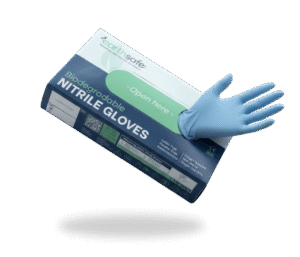
Earth Safe PPE’s BDG nitrile gloves, for example, reach up to 90% biodegradation in about 490 days under active landfill conditions. This accelerated breakdown reduces long-term accumulation but does not interfere with day-to-day protection. Water, oils, and routine cleaning solutions do not activate the biodegradation process.
This gives organisations an environmentally favourable option without altering workflow, safety requirements, or hygiene standards.
Testing Water Resistance for On-Site Validation
Some organisations prefer running internal tests before adopting new materials. A simple water leak test can be performed on-site:
- Fill the glove with water.
- Hold it by the cuff.
- Observe for drips.
Biodegradable nitrile gloves pass this test the same way standard nitrile does. This quick assessment reassures teams that barrier integrity remains intact.
Organisations with more advanced testing capabilities can also examine tensile strength, elasticity, and puncture resistance. These evaluations consistently show that biodegradable nitrile delivers comparable protection.
Storage Considerations
Since water does not activate decomposition, storage practices remain unchanged. Gloves can be kept in normal supply rooms, even when humidity varies. No special packaging or moisture-controlled transport is required. Keeping boxes dry and away from direct sunlight is enough, just as with standard nitrile.
Applications That Rely on Water Resistance
Multiple industries rely on nitrile gloves specifically because water protection is critical. Biodegradable nitrile supports all such activities, including:
- Food manufacturing and handling
- Healthcare procedures where moisture control is required
- Cleaning and janitorial tasks
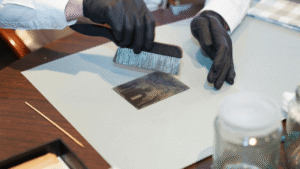
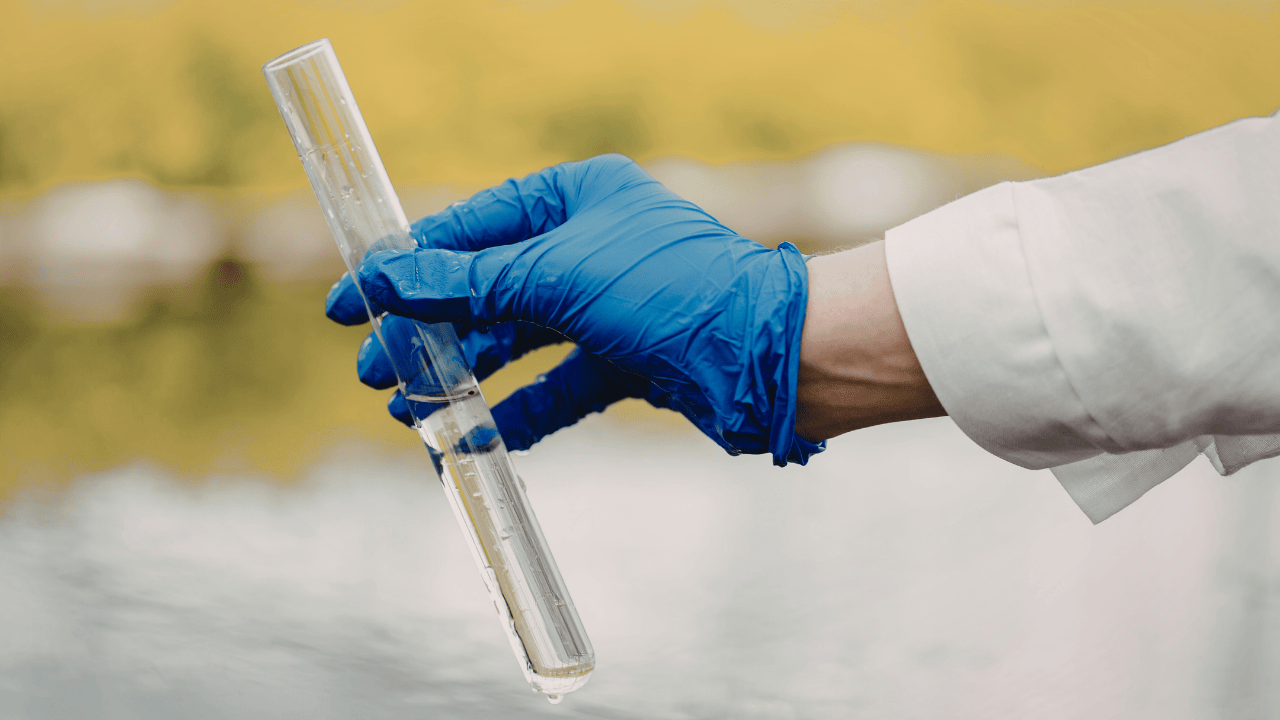
- Laboratory tests that involve rinsing or sample preparation
- Manufacturing steps using water-based solutions
- Maintenance tasks involving routine washing
Across these settings, water exposure does not increase glove failure rates.
Addressing Misconceptions About “Softening” or “Early Breakdown”
Some presume biodegradable materials soften in water. This applies to certain compostable plastics, but not biodegradable nitrile. The technology used in BDG gloves does not rely on water absorption. The polymer chain remains intact until microbes in landfill conditions trigger the breakdown process.
Under regular working conditions, the glove maintains its firmness, elasticity, and water stability.
Why Biodegradable Nitrile Maintains Its Integrity
The engineering behind biodegradable nitrile keeps the protective function locked until disposal. The material maintains:
- Thickness stability
- Seal strength
- Surface consistency
- Liquid resistance
This is why biodegradable nitrile is approved for food handling, medical tasks, and industrial work. Water-based activities do not compromise their purpose.
Final Practical Guidance for Organisations Evaluating These Gloves
Water resistance should not be a concern when switching to biodegradable nitrile. The gloves maintain their liquid barrier exactly as standard nitrile does. They pass the same water leak tests, follow the same regulatory standards, and behave identically during use.
For workplaces that rely heavily on water exposure, biodegradable nitrile provides a reliable option. It supports existing hygiene protocols and safety requirements while helping reduce long-term environmental impact.
Upgrade your operation confidently! Our FDA-compliant biodegradable nitrile gloves deliver the protection and assurance you need to meet the highest food safety standards, all while providing a simple, positive step toward sustainability. Contact our sales team immediately for verified product certifications and bulk pricing: Call +44 7482 212945 or visit our contact page.