Nitrile gloves are widely used in food handling. They appear in restaurant kitchens, food factories, bakeries, and home cooking spaces. Their popularity raises a direct question. Is it safe to touch food while wearing nitrile gloves? The answer depends less on nitrile as a material and more on how the glove is made, tested, and certified.
Understanding the difference between food-grade nitrile gloves and standard nitrile gloves helps clarify safe use. It also explains why newer biodegradable options are suitable for food contact when produced under the right standards.
What Are Nitrile Gloves Made From?
Nitrile gloves are produced from synthetic rubber. The material is valued for strength, puncture resistance, and tolerance to oils and fats. These qualities make nitrile suitable for food environments where contact with grease, moisture, or acidic ingredients is common.
Unlike latex, nitrile contains no natural proteins. This reduces allergy concerns in shared food preparation spaces. Vinyl gloves also lack proteins, yet they tear more easily and offer weaker barrier performance. Nitrile sits between flexibility and durability, which is why many food operators prefer it.
Material alone does not decide food safety. Manufacturing controls and additives play a decisive role.
Food-Grade Nitrile vs Standard Nitrile
Food-grade nitrile gloves are produced under regulations that control chemical migration. These gloves are tested to confirm that no harmful substances transfer to food during handling. Certification often includes compliance with FDA food contact standards or equivalent authorities.
Standard nitrile gloves may look identical. They may even feel the same when worn. Yet they are often designed for industrial cleaning, mechanical work, or non-food tasks. Some contain accelerators, colorants, or processing residues that are acceptable for general use but not intended for direct food contact.
This distinction matters. Touching food with non-food-grade gloves introduces unnecessary risk, even if that risk remains invisible during daily use.
Powder-Free Status and Food Handling
Food-grade nitrile gloves are typically powder-free. Powdered gloves were once common, but residue can transfer to food surfaces. This affects texture, appearance, and hygiene perception.
Powder-free nitrile gloves reduce cross-contact and leave no visible traces. They also maintain better grip when handling moist ingredients. For food operations subject to inspection, powder-free status aligns with modern hygiene expectations.
Do Nitrile Gloves Prevent Contamination?
Gloves form a barrier. They do not replace proper food hygiene. Clean hands remain essential before donning gloves. Gloves should be changed between tasks, after touching non-food surfaces, or after extended use.
Using nitrile gloves incorrectly can create a false sense of cleanliness. Touching raw meat, packaging, and prepared food with the same gloves defeats the purpose of wearing them. Food safety relies on process discipline rather than glove material alone.
Food-grade nitrile supports hygiene when used correctly. It does not correct poor handling habits.
Are Biodegradable Nitrile Gloves Safe for Food?
Biodegradable nitrile gloves follow the same food safety rules as conventional nitrile gloves. The biodegradation feature relates to end-of-life behaviour, not performance during use.
Food-safe biodegradable nitrile gloves are tested for food contact. They meet the same migration limits and material standards as traditional food-grade nitrile. The additive that allows faster breakdown in landfill conditions remains inactive during normal wear.
This distinction is important. Biodegradation does not begin during food preparation, storage, or use. It activates under landfill conditions where oxygen, moisture, and microbes are present over time.
Why Biodegradable Options Make Sense for Food Businesses
Food service generates high glove volumes. Disposal becomes routine rather than occasional. Standard nitrile gloves persist in landfill for decades. Biodegradable nitrile gloves reduce long-term waste accumulation without changing daily handling practices.
From an operational perspective, staff training does not change. Glove donning, removal, and replacement remain identical. Storage conditions stay the same. Performance during food handling matches standard food-grade nitrile.
For businesses tracking environmental performance, biodegradable gloves support waste reduction targets without altering food safety compliance.
Colour, Thickness, and Food Visibility
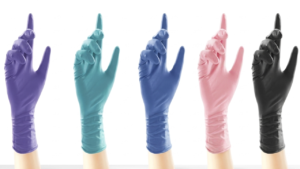
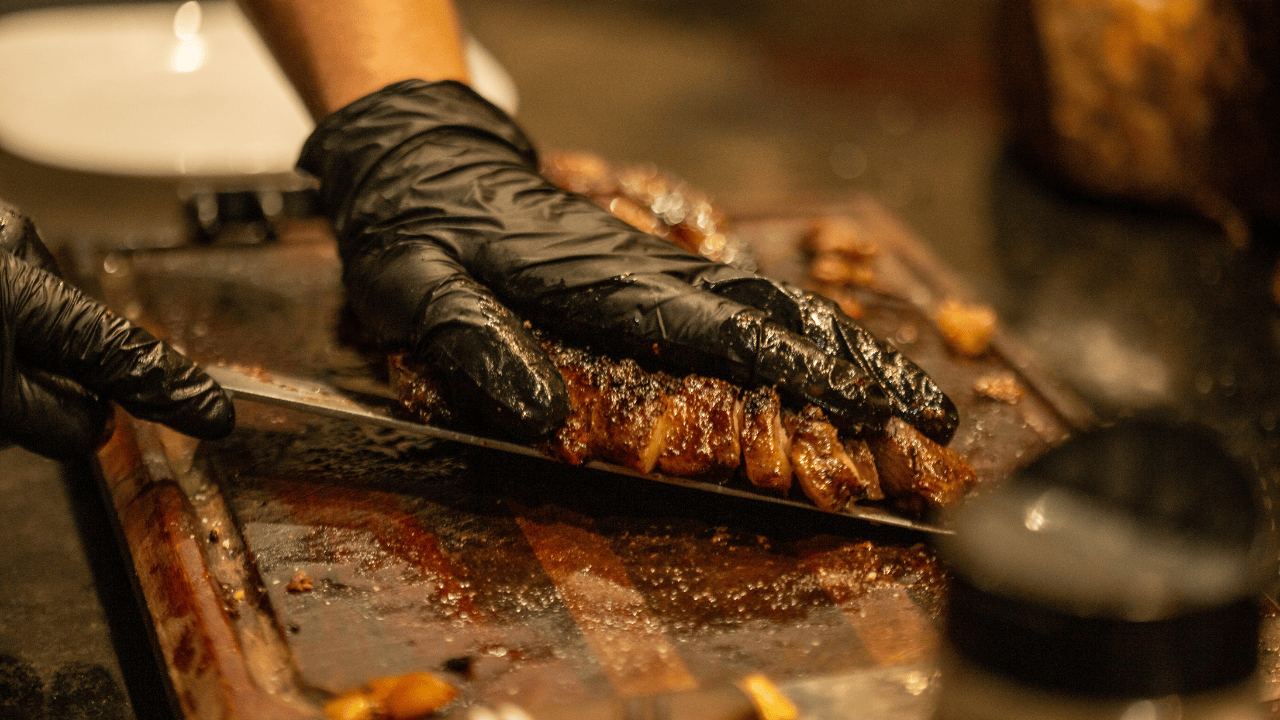
Food-grade nitrile gloves often come in blue or black. Blue improves visibility. If a glove tears, fragments are easier to detect in food production areas. Black gloves are common in open kitchens where presentation matters, though blue remains preferred in manufacturing environments.
Thickness also affects suitability. Thinner gloves provide better tactile feedback for fine tasks. Thicker gloves offer longer wear during repetitive handling. Food-grade certification applies across thickness ranges, provided testing criteria are met.
Selecting glove thickness should align with task requirements rather than safety assumptions.
Household Food Preparation
For home use, food-grade nitrile gloves are safe for handling raw ingredients, marinating, baking, and portioning. They are helpful for people with skin sensitivities or those preparing food for others.
Standard nitrile gloves sold for cleaning or mechanical use should not be repurposed for food preparation. Packaging labels usually indicate whether gloves are approved for food contact. Reading these details avoids confusion.
Reusable gloves may suit some household tasks. Yet disposable nitrile remains practical where hygiene control is a priority.
Storage and Shelf Life
Food-grade nitrile gloves require proper storage. Heat, direct sunlight, and humidity can degrade material performance. Storing gloves in cool, dry areas preserves integrity.
Expired gloves may lose elasticity. This affects fit and barrier reliability. Checking expiration dates supports consistent handling quality, especially in professional kitchens.
Biodegradable nitrile gloves share similar storage requirements. The biodegradation process does not activate during storage when conditions remain stable.
Regulatory Oversight and Labelling
Food-grade nitrile gloves carry markings that indicate compliance. FDA food contact approval is common in many regions. Equivalent certifications exist globally.
Clear labelling helps buyers distinguish food-safe gloves from industrial options. Businesses sourcing gloves in bulk benefit from requesting documentation rather than relying on appearance alone.
This practice supports audit readiness and reduces procurement errors.
Food Safety and Material Safety Together
Touching food with nitrile gloves is safe when the gloves are made for food contact. The material performs well. The barrier is reliable. The difference lies in certification and production standards.
Biodegradable nitrile gloves extend this safety profile into waste management. They allow food businesses to manage disposal responsibly without affecting daily operations or compliance.
Material safety supports food safety. Neither works in isolation.
Upgrade your operation confidently! Our FDA-compliant biodegradable nitrile gloves deliver the protection and assurance you need to meet the highest food safety standards, all while providing a simple, positive step toward sustainability. Contact our sales team immediately for verified product certifications and bulk pricing: Call +44 7482 212945 or visit our contact page.