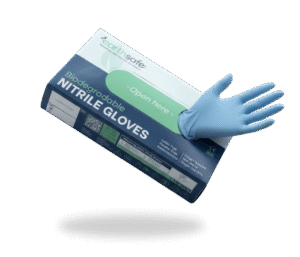

Across industries, disposable gloves have become an indispensable component of daily operations. From healthcare to food processing, they protect users and maintain hygiene standards. Yet, traditional gloves, particularly those made from synthetic materials, pose a challenge to the environment. Biodegradable gloves provide a solution that maintains protection while addressing long-term waste concerns. Their advantages reach beyond simple disposal benefits, touching environmental responsibility, operational efficiency, and corporate sustainability.
A Step Toward Sustainable Waste Management
Biodegradable gloves are engineered to decompose more rapidly than standard synthetic options. In landfill conditions, microorganisms break down their material over a much shorter timeframe, often within a few years rather than a century. This reduction in decomposition time means less accumulated waste and a measurable decrease in landfill burden.
For businesses using large quantities of gloves daily, this change represents a practical shift. It allows ongoing safety compliance while supporting environmental goals. Unlike traditional nitrile or vinyl gloves that persist indefinitely, biodegradable versions align with modern sustainability strategies that demand visible results in waste management.
Retaining Protection and Performance
One of the early concerns about biodegradable materials was reduced strength or reliability. Today’s biodegradable gloves overcome this limitation. They maintain the same barrier resistance, elasticity, and comfort found in high-grade nitrile or latex alternatives.
Users in clinical, industrial, or laboratory environments can rely on their durability during extended wear. The biodegradable additives do not affect performance during use; they activate only after disposal under specific microbial conditions. This ensures dependable protection throughout the product’s lifecycle.
Contributing to Corporate Environmental Goals
Environmental reporting is now a regular component of business accountability. Many organisations publish sustainability data, including waste metrics, to demonstrate progress. Choosing biodegradable gloves contributes to measurable improvement in such reporting categories.
By replacing traditional gloves with biodegradable options, companies can reduce landfill volume and strengthen their environmental standing. This action supports internal sustainability policies while reinforcing brand reputation among clients and partners who value ecological responsibility.
Supporting a Circular Economy
While biodegradable gloves eventually return to natural elements, their use also complements recycling and circular waste practices. Some organisations combine biodegradable glove use with recycling initiatives or waste-to-energy programs. The goal is to reduce the overall footprint associated with personal protective equipment (PPE).
Manufacturers are increasingly developing formulations that break down without releasing harmful residues. These gloves are designed to degrade under controlled landfill conditions, contributing to a cleaner waste stream. Over time, such advancements can support a more circular production cycle for PPE products.
Addressing Storage and Disposal Practicality
From a logistics perspective, biodegradable gloves require no special storage or handling compared to conventional gloves. They fit seamlessly into existing workflows. The degradation process begins only once they reach suitable environmental conditions, such as landfill moisture and microbial presence.
This feature simplifies adoption for facilities already managing high PPE consumption. It means staff training, inventory rotation, and disposal practices remain largely unchanged. Businesses gain sustainability benefits without major operational disruption.
Reducing Long-Term Environmental Impact
The accumulation of synthetic PPE waste in landfills presents ongoing challenges for waste management systems. Biodegradable gloves offer a practical mitigation measure. By reducing persistence, they help lower the strain on landfill capacity and minimize pollution potential.
The shortened degradation timeline lessens the risk of microplastic formation. As gloves decompose, they break down into organic compounds that reintegrate into the environment with minimal residual matter. For industries committed to sustainability targets, this outcome aligns with the drive toward cleaner waste cycles.
A Responsible Choice for Everyday Operations
Adopting biodegradable gloves demonstrates a forward-looking commitment to responsible operations. It sends a clear message to clients, staff, and partners that safety and sustainability can function together effectively. The transition is both practical and symbolic, highlighting that environmental stewardship can occur through simple, consistent product choices.
Healthcare facilities, laboratories, and food service providers benefit from this shift without sacrificing safety or quality standards. The decision reflects operational responsibility and a readiness to invest in sustainable progress.
Economic Viability and Long-Term Value
While biodegradable gloves may carry a slightly higher initial cost, their long-term value lies in reduced waste management expenses and enhanced brand reputation. Many procurement strategies now evaluate environmental performance alongside price and quality.
By incorporating biodegradable options, businesses can meet compliance requirements and sustainability goals simultaneously. As demand grows, manufacturing scale continues to improve, gradually lowering costs and making eco-friendly alternatives more accessible to all sectors.
Consumer Awareness and Market Direction
Public awareness about plastic waste continues to influence purchasing decisions. End-users increasingly prefer brands and suppliers committed to reducing environmental harm. Offering biodegradable gloves aligns with this expectation and can differentiate suppliers in a competitive market.
Organisations adopting such materials signal transparency and care for future resource management. Over time, as regulations surrounding PPE waste become stricter, early adoption may also support compliance readiness.
The movement toward biodegradable gloves represents meaningful progress in PPE sustainability. It demonstrates that protective quality and ecological awareness can advance together without compromise. While research continues to refine materials and test degradation efficiency under various conditions, the direction is clear: sustainable innovation is no longer optional; it is becoming standard practice.
By integrating biodegradable gloves into daily operations, businesses contribute to a cleaner environment and strengthen their commitment to corporate responsibility. Each small shift in purchasing and disposal decisions adds up to a broader impact.
Upgrade your operation confidently! Our FDA-compliant biodegradable nitrile gloves deliver the protection and assurance you need to meet the highest food safety standards, all while providing a simple, positive step toward sustainability. Contact our sales team immediately for verified product certifications and bulk pricing: Call +44 7482 212945 or visit our contact page.