Disposable gloves support food handling, healthcare tasks, laboratory work, and everyday hygiene routines. Yet their environmental footprint continues to spark questions. How long do they last after disposal? Which material offers a more responsible path for businesses that want dependable protection without adding unnecessary pressure on waste systems?
This guide outlines how each major glove type breaks down, how landfill conditions influence the timeline, and what the rankings look like when biodegradability, safety, and practical performance are combined.
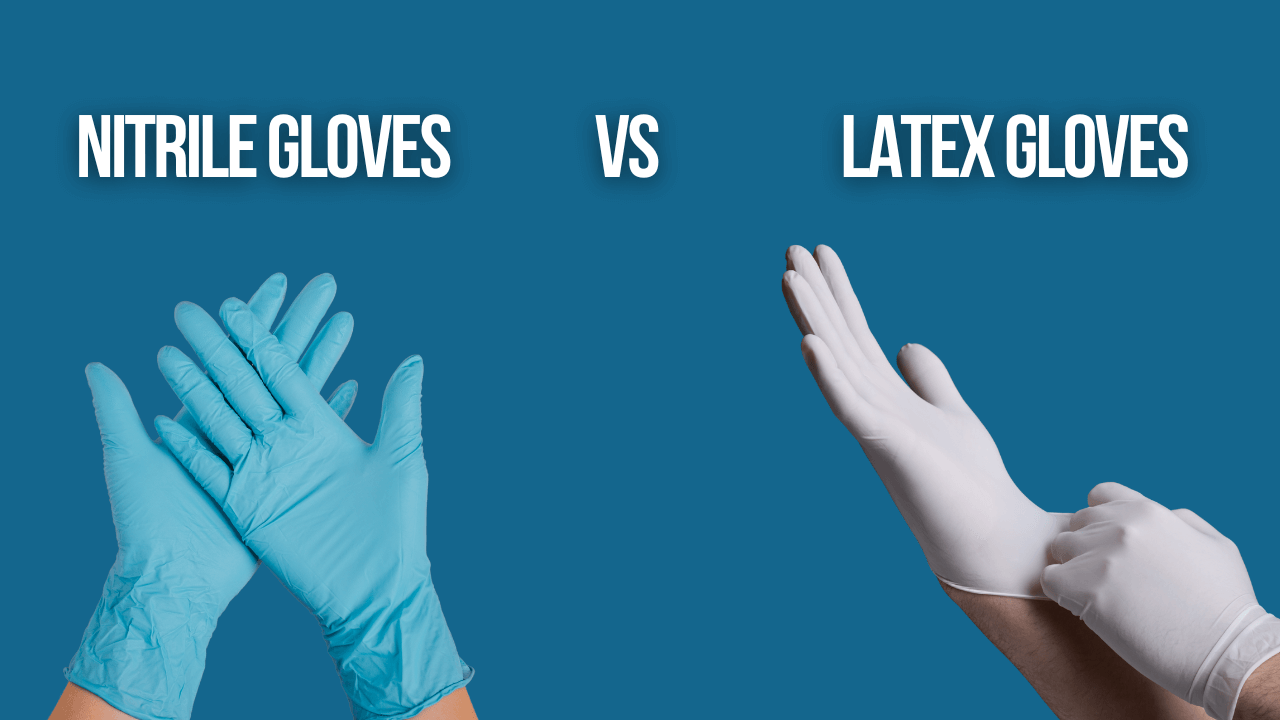
The Definitive Ranking
1. Biodegradable Nitrile – Winner: Safe + Eco-friendly
2. Natural Latex – Eco-friendly but high allergy risk
3. Standard Nitrile – Safe but high pollution
This order balances two factors: decomposition rates and real-world product use. Protection, durability, supply-chain consistency, and workplace safety all influence which material sits higher on the list.
Understanding Why Decomposition Rates Vary
Gloves do not break down at the same speed. Materials, additives, and environmental exposure shape their lifespan in landfills or waste-processing facilities. Moisture, microbial activity, and temperature shift timelines significantly. A glove left in a dry, compacted landfill cell behaves very differently from a glove processed in a controlled waste system with reliable aeration or heat.
1. Biodegradable Nitrile Gloves
Decomposition timeline: Up to 90% in around 490 days in active landfill conditions
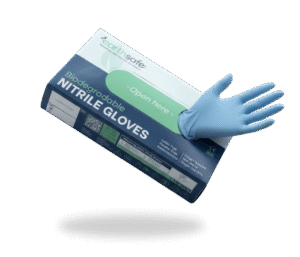
Biodegradable nitrile gloves offer a step forward for industries needing strong protection but wanting to reduce long-term waste. They maintain the strength and chemical resistance that businesses rely on. Yet they incorporate additives that help microbes break them down once they reach an active landfill.
Our Earth Safe BDG nitrile gloves reach roughly 90% breakdown in about 490 days in landfill environments with steady biological activity. This represents a sharp contrast to the long lifespan of standard nitrile. Timelines may shift depending on heat, moisture, and the density of surrounding materials, but the reduction is significant.
This blend of safety and faster decomposition is what places biodegradable nitrile in the top position. It aligns with modern sustainability goals without demanding a compromise in performance.
2. Natural Latex Gloves
Decomposition timeline: Several months to a few years
Natural latex is derived from rubber tree sap. Because it is a natural material, microbes can break it down more readily than synthetic rubber. In favourable landfill conditions, natural latex may degrade within months. In colder or drier environments, breakdown may stretch into several years.
The challenge with latex sits outside of decomposition. Allergy concerns limit where latex can be used. Many healthcare environments no longer allow latex gloves because of staff or patient sensitivities. As a result, latex is eco-friendly, yet not practical for many workplaces. This moves it into the second position despite its relatively quick breakdown.
3. Standard Nitrile Gloves
Decomposition timeline: Decades
Standard nitrile remains common due to its durability, chemical resistance, and reliable safety profile in sensitive environments. The downside is longevity. Without the biodegradable additives featured in newer versions, conventional nitrile breaks down extremely slowly. In compacted landfill layers, it can remain intact for several decades.
Incineration shortens the timeline, but this depends on local waste infrastructure. Some regions use energy-recovery systems that burn nitrile at high temperatures. Other areas depend on landfill-only disposal. Because timelines vary widely and because the material lasts so long in landfill conditions, standard nitrile earns the third position.
Why Decomposition Isn’t the Only Decision Factor
A glove that breaks down quickly is helpful, but performance matters. Food processors, laboratories, and healthcare teams must consider contamination control, tear resistance, and chemical compatibility. A material that decomposes rapidly but cannot support workplace demands might create more waste in the long run through frequent glove changes or failed tasks.
Biodegradable nitrile sits at the top because it balances both sides: dependable safety and a shorter post-use lifespan.
How Disposal Conditions Impact All Glove Types
Even natural materials degrade slowly in landfills with low oxygen or minimal moisture. Waste layers are often compressed to maximise space, slowing microbial activity. Gloves behave differently in the following environments:
Active landfill cells
Breakdown moves faster due to elevated microbial activity and moisture.
Dry landfill cells
Decomposition slows significantly.
Incineration facilities
Materials convert rapidly to ash and energy through controlled high-temperature processing.
Industrial composting
Not appropriate for most gloves, as contamination risks make such routes unsuitable.
Practical disposal routes often depend on local waste policies. Businesses should review what their waste contractor or municipality supports.
Aligning Glove Choice With Sustainability Goals
Organisations aiming to reduce their environmental footprint often start with high-volume consumables. Gloves fall into this category, especially in food manufacturing, hospitality, healthcare, and laboratory settings.
Switching to biodegradable nitrile allows businesses to maintain safety compliance while reducing long-term landfill accumulation. Natural latex supports sustainability, too, but allergy concerns limit its use in high-volume environments.
Routine audits of glove usage can help organisations trim unnecessary waste. Training staff to use gloves correctly avoids excess consumption. Storage practices also matter; keeping gloves dry and temperature-stable reduces the chance of damaged items being discarded prematurely.
Practical Summary
Biodegradable nitrile:
Breaks down far faster than traditional nitrile. Maintains strong protection. Best overall choice for safety + environmental progress.
Natural latex:
Breaks down quickly but has broad allergy limitations.
Standard nitrile:
Excellent protection but long lifespan in landfill environments.
Upgrade your operation confidently! Our FDA-compliant biodegradable nitrile gloves deliver the protection and assurance you need to meet the highest food safety standards, all while providing a simple, positive step toward sustainability. Contact our sales team immediately for verified product certifications and bulk pricing: Call +44 7482 212945 or visit our contact page.